
India is a place many people think about visiting for years before they actually get on a plane, because its history feels so heavy and present in every city. When travelers arrive for the first time, they often feel overwhelmed by the sheer number of places to see, so it helps to focus on the structures that really tell the country’s story. There is something about standing in front of a building that has stood for hundreds of years that makes a person feel very small, and that feeling stays with you long after the trip ends.
Buildings that tell a story of time
The Taj Mahal is the one place everyone knows, even if they have never looked at a map of Asia, and it is popular for a reason beyond its appearance in photographs. People sometimes think it might be overrated because they see it on postcards every day, but the actual scale of the white marble against the sky usually surprises visitors. It was built as a tomb, which is a strange thought when you see how beautiful and bright it is in the morning sun. Another place people should spend time is the Amber Fort in Jaipur, which sits atop a hill and looks like something out of a movie about old kings. You can see the walls stretching across the hills for miles, and it makes you think about how much work it took to build something so large without any modern machines.
Moving through different regions
When looking for the best Indian tour packages, travelers often try to pack too many cities into one week, but taking it slow lets you take in the details at places like the Qutub Minar in Delhi. This tower is very tall, with carvings that look like they were made yesterday, even though they are centuries old, and it is a good spot to just walk around and look at the stones. India is a big country, and the styles of the buildings change a lot as you move from the north to the south, which is why brands like Indian Panorama often point out how the red sandstone of the north feels very different from the stone work found in other areas. It is interesting to see how different rulers used the materials at hand to make their mark on the land. The Humayun Tomb in Delhi is a precursor to the Taj Mahal, and seeing it first helps you understand how the architecture in this part of the world evolved over time.
Small details in large spaces
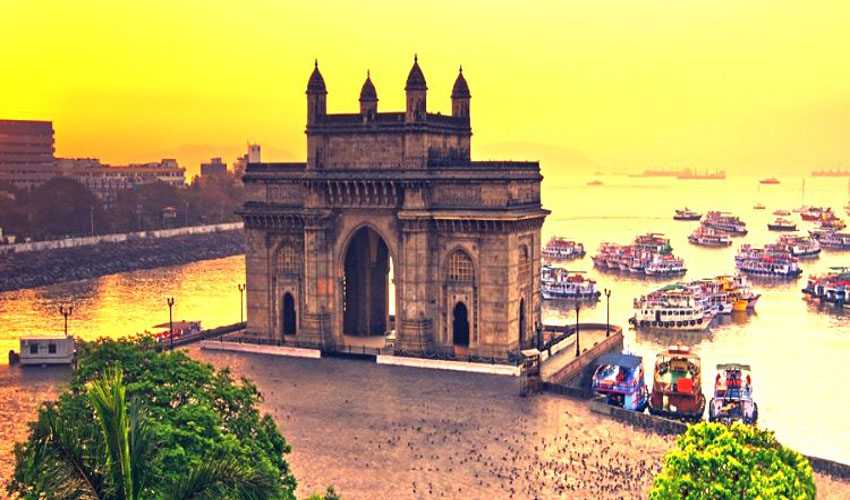
The Hawa Mahal is another spot in Jaipur that people love because of its hundreds of small windows, designed to let the wind blow through the building. It looks like a honeycomb made of pink stone, and it sits right on a busy street, so you can hear the sounds of the city while you look at it. This is a very realistic observation of India because the ancient monuments are not tucked away in quiet parks but are often right in the middle of the noise and the crowds. It makes history feel like it is still part of the daily life of the people living there today. The Gateway of India in Mumbai is another example of this, as it sits right by the sea and serves as a meeting point for thousands of locals every single day. If you are looking for travel ideas, you might find that the best way to see these spots is to arrive early, before the heat of the day picks up. Using the best indian tour packages can help with the timing of these visits so you do not spend all your time waiting in lines.
Walking through these sites gives a person a lot to think about regarding how civilizations grow and change. The stone walls and tall towers are more than just photo spots; they hold the weight of the past in a way that feels very real when you touch the cold marble. Taking the time to visit these five places provides a very solid foundation for understanding what makes this country so unique. Planning a trip around these landmarks usually results in a much more grounded experience that feels complete.