
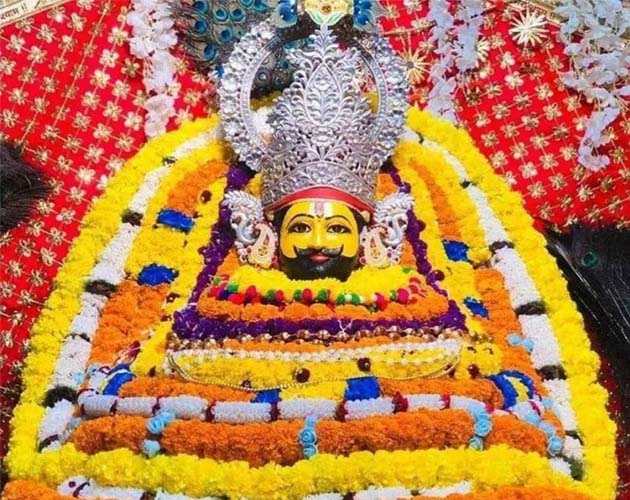
In the heart of India’s capital, Shree Khatu Shyam Mandir, Delhi stands as a powerful centre of faith, devotion and community for devotees of Lord Shyam Baba. While the original and most famous shrine is located in Khatu, Rajasthan, temples dedicated to Shyam Baba in Delhi have grown in number and popularity — each a focal point for spiritual practice, cultural celebration and heartfelt devotion. This article explores the legend behind Khatu Shyam, the daily aarti practices, temple timings, and what devotees can expect during a visit.
The Legend of Khatu Shyam
The story of Khatu Shyam originates from the epic Mahabharata. It centers on a valiant yet humble warrior named Barbarik, the grandson of Bhima (one of the Pandavas). Barbarik was a fierce fighter who possessed a unique blessing: his arrows never missed a target and would never return unfulfilled. Before the great war of the Mahabharata, Barbarik desired to watch the battle and help the weak and the oppressed. Lord Krishna, recognizing Barbarik’s noble heart, tested his devotion and ultimate intent.
In a profound act of surrender and humility, Barbarik offered his head to Krishna as a sacrifice, asking only that he be allowed to witness the battle. Krishna granted this wish, and Barbarik’s head watched the entire war. Pleased with his selflessness, Krishna bestowed upon him the boon that in Kali Yuga he would be worshipped as *Shyam — the compassionate and merciful lord who fulfills the wishes of devotees. This is why even today, Shyam Baba is considered an embodiment of divine grace and benevolence.
The primary shrine at Khatu in Rajasthan is a living testament to this legend — but the devotion has spread far and wide. In Delhi, many temples celebrate the same deity, offering daily worship, aarti and community gatherings that connect devotees to this ancient spiritual narrative.
Khatu Shyam ji Story
Khatu Shyam Ji is believed to be Barbarik, the grandson of Bhima from the epic Mahabharata. Barbarik was a powerful and devoted warrior who possessed divine weapons and unmatched bravery. Before the Kurukshetra war, he vowed to support the weaker side, which could have changed the destiny of the battle. To test his devotion and wisdom, Lord Krishna appeared before him in disguise and asked for charity. Without hesitation, Barbarik offered his own head as donation, showing supreme sacrifice and devotion.
Pleased by his selflessness, Lord Krishna granted him a boon that in the Kali Yuga he would be worshipped as Shyam, another name of Krishna. Barbarik’s head witnessed the entire Mahabharata war and was later found in Khatu, Rajasthan, where a temple was built. Today, Khatu Shyam Ji is worshipped as the symbol of faith, sacrifice and divine blessings.
Also Read: Akshardham Temple Delhi
Daily Rituals and Aarti Schedule
Aarti is an essential part of Hindu worship — a ritual of light, sound, and devotional music that symbolises the removal of darkness and ignorance. At temples dedicated to Shyam Baba, devotees participate in multiple daily aartis that mark the rhythm of the day and forge a deep spiritual bond between worshippers and the divine. Though aarti times can vary slightly between locations and seasons, the core rituals remain consistent with traditional practice.
The principal aartis typically observed are:
1. Mangala Aarti
This first aarti of the day is performed soon after the temple opens. It signifies the awakening of the deity and invites blessings for the day ahead. This early morning ritual fills the temple with chants and the resonant sound of bells, creating an atmosphere of sacred serenity.
2. Shringar Aarti
Performed after Mangala Aarti, this ritual involves dressing and adorning Shyam Baba with beautiful clothes, flowers and ornaments — symbolising devotion and reverence. This aarti reflects the idea that the divine is honoured the same way one would honour a beloved guest or revered family member.
3. Bhog or Rajbhog Aarti
Around midday, food (bhog) is offered to the deity. This aarti celebrates nourishment, gratitude and divine hospitality. For devotees, witnessing or participating in this ritual is believed to deepen the spiritual connection and usher in blessings of abundance.
4. Sandhya Aarti (Evening Aarti)
Performed at sunset, this is one of the most popular and spiritually uplifting aartis. The temple environment — lit with lamps and filled with devotional singing — turns into a vibrant space of communal worship. This transition from day to night symbolises light prevailing over darkness, hope over despair.
5. Shayan Aarti
The final aarti of the day takes place just before the temple closes. It represents putting the divine to rest, ending the day with gratitude, peace and prayer.
Devotees often attend these aartis not just for ritual participation, but also for the deep emotional and spiritual resonance they evoke. The chant of “जय श्री श्याम” and the rhythmic beat of bells create an immersive experience that many devotees describe as transformative.
Temple Timings in Delhi
While the main Khatu Shyam Temple in Rajasthan has a well-structured seasonal schedule, the Delhi Dhams dedicated to Shyam Baba follow their own timing based on local practices and the convenience of devotees.
General Timing Patterns (Delhi Dham)
According to recent verified local sources, the opening hours for the popular Delhi shrine at GT Karnal Road are approximately:
- Morning: ~6:00 AM – 9:00 PM daily
These timings may vary slightly with festivals or special events. In contrast, the original temple at Khatu (Rajasthan) follows a more traditional seasonal schedule: - Winter: Morning ~5:30 AM to ~1:00 PM; Evening ~5:00 PM to ~9:00 PM
- Summer: Morning ~4:30 AM to ~12:30 PM; Evening ~4:00 PM to ~10:00 PM
These changes accommodate varying daylight hours across seasons.
Note: Special festival days like Ekadashi, fairs or religious events may alter timings, with temples staying open longer or having additional rituals. Many devotees often call ahead or check temple community pages for the latest updates.
Festivals and Special Days
Shyam Baba temples are not just places of quiet prayer — they are centres of vibrant celebration, especially during key religious occasions:
Ekadashi
The 11th day of the lunar fortnight — particularly in Shukla Paksha Ekadashi — is considered highly auspicious. Many temples remain open for 24 hours with continuous darshan and special programmes on these dates.
Khatu Shyam –
Lakkhi Mela (at Khatu, Rajasthan)
Although this fair is held at the main temple in Khatu, it attracts devotees nationwide — including many from Delhi — who congregate for days of celebration, processions and special rituals. During this time, the temple flag hoisting, traditional performances and community feasts invoke deep spiritual unity.
Experiencing Devotion in Delhi
Visiting Shree Khatu Shyam Mandir, Delhi or other Shyam Baba shrines in Delhi isn’t just about seeing a temple; it’s about feeling a living tradition. Every prayer, aarti and offering reflects a thousand years of history, myth and cultural devotion — reinterpreted in the modern urban landscape.
Whether you attend early morning Mangala Aarti, hear the evening bells during Sandhya Aarti, or simply sit in the temple hall wrapped in bhajans and chants, the experience connects you with a larger community of devotees across India.
For many, the journey to a Shyam Baba temple becomes a journey inward — a reminder of compassion, surrender and the timeless belief that sincere prayer can bring peace and purpose.
Khatu Shyam ji ki Photos


 Digital
  Admin
Admin