
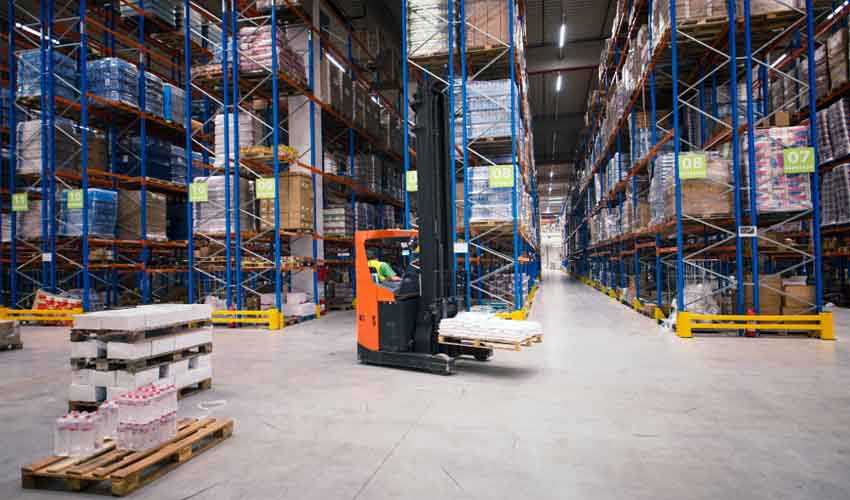
Change is the only constant in the logistics world. Businesses now depend on warehouse handling equipment that is faster, cleaner, and smarter. As we step into 2026, the industry is shifting towards technology that improves speed, safety, and accuracy. Modern material handling is not just about lifting goods. It is about blending intelligent machines with efficient processes.
Many companies are exploring advanced solutions to stay ahead of the competition. In line with this trend, leading rental material handling equipment providers are ready with the latest models. This post explores the top material handling equipment trends to watch in 2026.
1. Rise of Sustainable and Eco-Friendly Machinery
Green operations are now a priority. Many industries want energy-efficient machines that reduce emissions. Electric forklifts and lithium-ion models are becoming popular choices in warehouse handling equipment. These machines offer clean performance and lower running costs.
Key movements include:
- Shift from diesel to electric forklifts
- Longer battery life with lithium-ion options
- Reduced noise for indoor environments
Businesses benefit from improved air quality and reduced energy consumption. Eco-friendly choices also improve brand image.
2. Automation and Robotics Growth
Automation continues to reshape warehouses. Machines now perform repetitive tasks with precision. Robotic systems boost the efficiency of warehouse handling equipment and support faster operations. Many automated forklifts can move through narrow aisles with ease.
Popular automation trends:
- Autonomous mobile robots
- Automated pallet movement
- Smart forklifts with navigation sensors
Warehouse equipment rental providers like Godrej RenTRUST offer lithium-ion forklift, which integrates well with automated systems. This technology reduces errors and speeds up daily processes.
3. Data-Driven Workflows and IoT Adoption
Modern warehouses collect data from sensors and connected devices. This information enables teams to track usage patterns, assess equipment performance, and identify maintenance needs. IoT improves the accuracy and flow of material movement equipment across large spaces.
How IoT supports operations:
- Real-time monitoring of forklift activity
- Predictive maintenance alerts
- Better planning based on actual data
Teams can prevent breakdowns and reduce downtime. This leads to smooth operations and cost savings.
4. Advanced Safety Features in Every Machine
Safety remains a major focus in warehouses. New machines include advanced protection systems that reduce accidents. The latest warehouse handling equipment comes with stability tools, improved visibility, and safe braking systems.
Modern safety features include:
- Load stability sensors
- Clear operator visibility
- Emergency brake controls
- Safer cabin design
These features protect workers and goods. Safer operations also reduce disruptions and increase productivity.
5. Better Ergonomics and Operator Comfort
Warehouse operators spend long hours using forklifts and pallet trucks. Poor comfort leads to fatigue and reduces efficiency. Manufacturers now design machines that support operator comfort and health. Ergonomic material movement equipment helps operators stay alert and work with ease.
Ergonomic improvements:
- Adjustable seats for long use
- Intuitive control panels
- Reduced vibration inside cabins
- Climate-controlled interiors
Equipment like the electric forklift offers comfortable seating and smooth controls. This reduces strain and boosts productivity.
Also Read: How Boom Barriers Are Changing the Future of Commercial and Residential Security?
Why These Trends Matter for 2026
Businesses need to adapt to stay competitive. These trends will help improve warehouse flow, make movement safer, and support better decision-making. Electric systems reduce costs. Automation eases labour pressure. Data tools improve planning. Ergonomic designs enable teams to work comfortably for longer periods. Together, these trends will shape the future of efficient material handling.
Conclusion
Warehouses today need more than just machines. They require intelligent, clean, and efficient systems that facilitate daily tasks with ease. The future of warehouse handling equipment is shaped by technology, sustainability, and safety. With improved automation and ergonomic tools, material handling becomes faster and safer. Businesses that adopt these trends early gain a clear advantage. As material movement equipment continues to evolve, warehouses will operate with greater confidence and precision.