
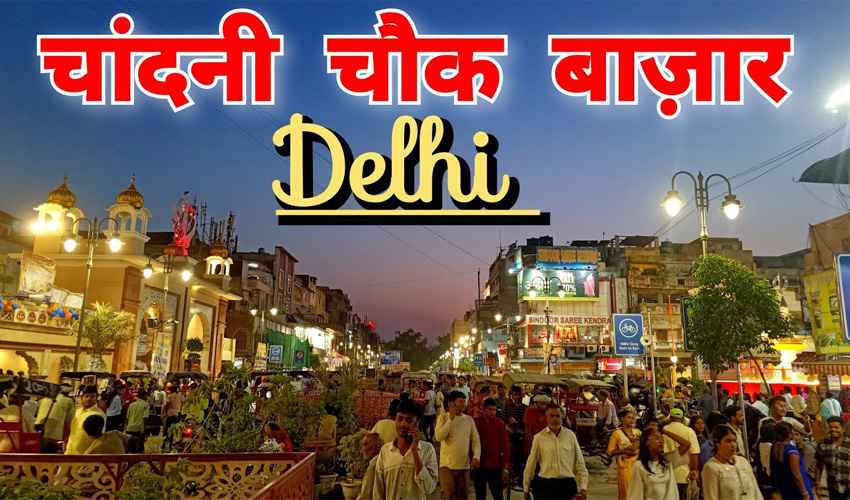
Chandni Chowk Market is not just a shopping destination; it is a living museum of Delhi’s history, culture, and culinary heritage. Located in the heart of Old Delhi, this iconic market has survived centuries of change while retaining its old-world charm. From bustling lanes filled with traders to legendary street food stalls and historic monuments, Chandni Chowk offers an experience unlike any other in India.
A Glimpse into the History of Chandni Chowk
Chandni Chowk was established in 1650 by Mughal Emperor Shah Jahan, the same ruler who built the Taj Mahal. The market was designed by his daughter Jahanara Begum as part of the imperial capital, Shahjahanabad (now Old Delhi). The name “Chandni Chowk” translates to “Moonlit Square,” as the original market featured a central pool that reflected moonlight, creating a serene atmosphere at night.
During the Mughal era, Chandni Chowk was a grand boulevard connecting the Red Fort to Fatehpuri Mosque. It housed traders from Turkey, China, Central Asia, and Europe, making it a major commercial hub. Over time, the canals disappeared, but the market remained the commercial soul of Delhi, adapting itself to modern times without losing its historical identity.
The Layout and Lanes of Chandni Chowk
Chandni Chowk is a maze of narrow lanes, each specializing in specific goods. While the chaos may seem overwhelming to first-time visitors, every street has a story and purpose.
Some of the most famous lanes include:
- Dariba Kalan – Known for silver jewelry, gold ornaments, and precious stones.
- Kinari Bazaar – Famous for wedding accessories, laces, borders, and embellishments.
- Chawri Bazaar – Asia’s largest wholesale market for paper, stationery, and brass items.
- Khari Baoli – The largest spice market in Asia, offering spices, dry fruits, herbs, and nuts.
- Bhagirath Palace – India’s biggest wholesale market for electrical goods.
Each lane reflects generations of family-run businesses that have passed down their trade skills for centuries.
Shopping Experience at Chandni Chowk
Shopping in Chandni Chowk is an adventure. Unlike modern malls, this market thrives on bargaining, human interaction, and variety. Here, you can find almost everything at competitive prices.
Popular shopping items include:
- Traditional clothing like sarees, lehengas, sherwanis, and fabrics
- Wedding shopping essentials, including accessories, footwear, and decorations
- Spices and dry fruits in bulk at wholesale rates
- Traditional jewellery, both real and imitation
- Ayurvedic herbs and attars (perfumes)
Chandni Chowk is especially popular for wedding shopping, attracting buyers from all over India. Custom tailoring, intricate embroidery, and bulk deals make it a preferred destination for large purchases.
Street Food Paradise of Delhi
If Chandni Chowk is famous for shopping, it is legendary for its street food. The area is considered the heart of Delhi’s food culture, offering flavors that have remained unchanged for decades.
Some iconic food spots include:
- Paranthe Wali Gali – Famous for stuffed parathas fried in ghee, served with pickles and curries.
- Old Famous Jalebi Wala – Serving crispy jalebis since the 19th century.
- Karim’s – Renowned for Mughlai dishes like mutton korma, kebabs, and nihari.
- Natraj Dahi Bhalle Wala – Known for melt-in-the-mouth dahi bhallas and aloo chaat.
- Kuremal Mohan Lal Kulfi Wale – Famous for stuffed kulfis in unique flavors.
From spicy chaat and kebabs to sweet rabri and falooda, Chandni Chowk satisfies every craving. The food here reflects a blend of Mughlai, North Indian, and traditional Delhi flavors.
Religious and Cultural Landmarks
Chandni Chowk is also home to important religious sites, symbolizing India’s unity in diversity.
Key landmarks include:
- Jama Masjid – One of the largest mosques in India, built by Shah Jahan.
- Gurudwara Sis Ganj Sahib – A sacred Sikh shrine marking the martyrdom of Guru Tegh Bahadur.
- Shri Digambar Jain Lal Mandir – Delhi’s oldest Jain temple, located opposite the Red Fort.
- Fatehpuri Mosque – Another Mughal-era mosque at the western end of the market.
These places coexist harmoniously, reflecting the pluralistic culture of Old Delhi.
The Chaos and Charm of Everyday Life
One of the defining features of Chandni Chowk is its controlled chaos. Rickshaws, handcarts, scooters, shoppers, and vendors all move together in a rhythm that seems impossible but somehow works. The market operates with unwritten rules developed over generations.
Despite modernization, many shopkeepers still rely on traditional methods—handwritten ledgers, verbal commitments, and long-standing relationships. This human connection gives Chandni Chowk its timeless charm.
Best Time to Visit Chandni Chowk
The ideal time to explore Chandni Chowk is early morning or late afternoon. Mornings are best for spice markets and photography, while evenings are perfect for street food and shopping. The market is closed on Sundays, except for food joints and nearby attractions.
Winters are the most comfortable season to visit, while summers can be extremely hot. Festivals like Diwali, Eid, and wedding seasons add extra vibrancy but also bring heavy crowds.
Chandni Chowk in Modern Times
In recent years, efforts have been made to redevelop Chandni Chowk as a pedestrian-friendly heritage zone. Improved roads, underground wiring, better lighting, and restricted vehicle movement aim to preserve its historical character while enhancing visitor experience.
Despite these changes, Chandni Chowk continues to resist complete modernization, holding on to its roots and traditions.
Conclusion
Chandni Chowk Market is more than just a marketplace—it is a sensory journey through history, culture, and flavors. Whether you are shopping for wedding attire, tasting legendary street food, exploring historic monuments, or simply soaking in the atmosphere, Chandni Chowk leaves a lasting impression.
It represents the soul of Old Delhi, where the past and present coexist in bustling lanes filled with stories, aromas, and traditions. A visit to Delhi is incomplete without experiencing the vibrant life of Chandni Chowk.
 Priya Sharma
  Girish