
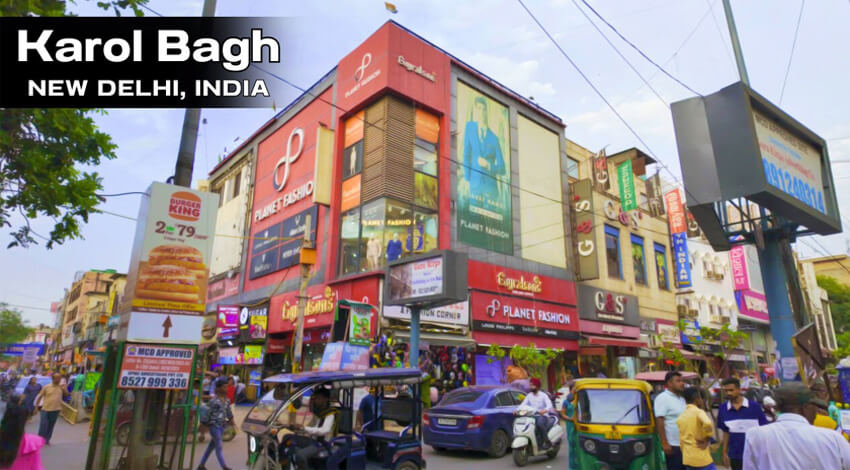
Karol Bagh is one of the most iconic and bustling neighbourhoods in New Delhi, Delhi, India — a vibrant tapestry where tradition meets modernity, commerce blends with culture, and every street pulsates with energy. Located in the Central District of Delhi, Karol Bagh is not just a place on the map; it is a living, breathing experience of India’s diverse urban character.
A Glimpse Into the Origins and Name
The name Karol Bagh comes from Hindi-Urdu roots: “Qarol” meaning curved like a green chilli and “Bagh” meaning garden — a nod to the herbal gardens that covered this area in its early days.
Originally a residential colony under British Delhi’s expansion plans in the early 20th century, Karol Bagh grew rapidly after India’s independence. Large numbers of Punjabi settlers moved here post-Partition, shaping the community’s identity and laying the groundwork for the retail boom that followed.
Today, Karol Bagh stands as a centre of urban life — one that blends old-world charm with the hustle of contemporary markets and streets.
The Shopping Heartbeat of Delhi
Karol Bagh is synonymous with shopping. Its markets are home to everything from traditional Indian wear to cutting-edge fashion, electronics to jewellery, imported goods to street stalls — a blend that draws locals, visitors and tourists alike.
Ajmal Khan Road
Often called the heart of Karol Bagh, Ajmal Khan Road is the spine of the market district. Shops here offer ethnic wear like sarees, lehengas, suits and embroidered garments, alongside trendy Western outfits and accessories. Over the years large branded showrooms have joined traditional street-side stores, making this stretch a mix of both old and new retail culture.
Bank Street
If you’re after jewellery, Bank Street should be your first stop. Known for its dense cluster of gold, silver and diamond jewellery stores, it’s a go-to destination for bridal trousseau pieces and traditional ornaments.
Ghaffar Market
For gadgets, accessories, and import goods, Ghaffar Market (sometimes spelled Gaffar Market) is famous. From mobile phones and cameras to laptops, electronics components and lifestyle accessories — this market lives up to its reputation as one of Delhi’s busiest tech hubs.
Arya Samaj Road
Away from the high-energy crowds is Arya Samaj Road — a haven for book lovers. A string of shops peddles second-hand books, thrift finds, and vintage reads.
Together, these market strands make Karol Bagh a shoppers’ paradise that can satisfy every budget and taste — from bargain hunters and wholesalers to luxury buyers and tourists. Footfall here regularly scales into the tens of thousands on regular days and peaks massively during festivals and wedding seasons.
Food, Flavours and Streetside Eats
No visit to Karol Bagh is complete without sampling its street food and local eateries. Wandering through the alleys between shops, you’ll encounter aromas that define Delhi’s culinary scene.
Local markets brim with vendors selling chaats, golgappas (pani puri), samosas, kachoris, momos, and chole bhature — quintessential North Indian favourites. Street corners are dotted with juice stalls, chaat counters and quick bites that energise shoppers throughout the day.
Iconic old eateries like Roshan di Kulfi are known for traditional sweets and snacks, while upmarket restaurants and cafes offer a chance to sit and savour Punjabi staples, kebabs or even South Indian fare.
Cultural Anchors and Local Life
Beyond commerce, Karol Bagh houses rich cultural markers that anchor community life:
Ajmal Khan Park
A verdant oasis amidst the city’s lanes, Ajmal Khan Park has been a recreational space since 1921, offering residents and visitors a quiet break from the busy streets. Named after freedom fighter and Unani physician Hakim Ajmal Khan, the park features sculptures and fountains and often serves as a venue for public gatherings and events.
Jhandewalan Temple
A short distance away, the Jhandewalan Temple is among the oldest temples in Delhi, dedicated to the goddess Jhandewali Mata. With devotees visiting especially during festival times, the temple adds a spiritual layer to the neighbourhood’s identity.
The human tapestry of Karol Bagh reflects Delhi’s multicultural spirit — street vendors and shopkeepers alongside traditional families and young professionals living in the surrounding residential clusters. It’s not unusual to see generations of families shopping together, negotiating prices with vendors or sipping chai between errands.
Connectivity & Accessibility
One reason Karol Bagh has flourished is its connectivity.
- The Karol Bagh Metro Station on the Delhi Metro’s network places the neighbourhood right in the heart of the city, linking it easily with major parts of Delhi — from Connaught Place to the New Delhi Railway Station and beyond. This ease of access has made it popular with both daily commuters and tourists.
- Road transport, buses and taxis further ensure that Karol Bagh remains a well-connected urban hub, despite the traffic congestion that often comes with its popularity.
Challenges Amid the Hustle
While Karol Bagh brings excitement and variety, it also faces challenges typical of dense urban markets:
- Traffic congestion is a persistent issue due to narrow lanes and heavy footfall, prompting city planners to consider traffic improvement plans.
- The sheer volume of shoppers and dealers welcomes both honest businesses and, occasionally, fraudulent activities. For example, local authorities have recently cracked down on counterfeit mobile phone operations in the area, stemming from unscrupulous traders selling fake devices.
Such dynamics reflect the complexity of managing a neighbourhood that thrives on its open-air commerce and vibrant exchanges.
Karol Bagh in Popular Culture
Karol Bagh’s lively streets and unique character have found mention in television, literature and social narratives. Its markets and people have appeared in stories and shows celebrating the charm of urban India — capturing both the gritty reality and the colourful spirit of Delhi life.
Tips for Visitors
If you plan to explore Karol Bagh:
- Best time to visit: Late morning to evening, especially during festive and wedding seasons when markets are at their liveliest.
- Bargain smartly: Prices are often negotiable in street markets. A respectful haggle can get great deals.
- Stay hydrated: With all the walking and Delhi’s warmth, carry water and take breaks at street cafes.
- Avoid peak traffic hours: Early mornings and late evenings are generally less crowded on main roads.
- Safety first: Like any crowded market, be mindful of your belongings and aware of your surroundings.
Why Karol Bagh Endures
Karol Bagh survives and thrives because it is more than a market — it is a reflection of Delhi’s soul. Here, old conversations continue in narrow alleys; new trends emerge on showrooms; global brands stand beside local vendors; and people from all walks of life interact in an urban dance that is chaotic, colourful and unforgettable.
Whether you’re a shopper hunting bargains, a tourist seeking local flavour, a food lover exploring street eats, or someone curious about the urban pulse of India’s capital, Karol Bagh promises an experience that is rich, layered and entirely its own.